


Easy at-home recipes plus important tips for using this naturally brightening beauty ingredient
Written by: 100% PURE®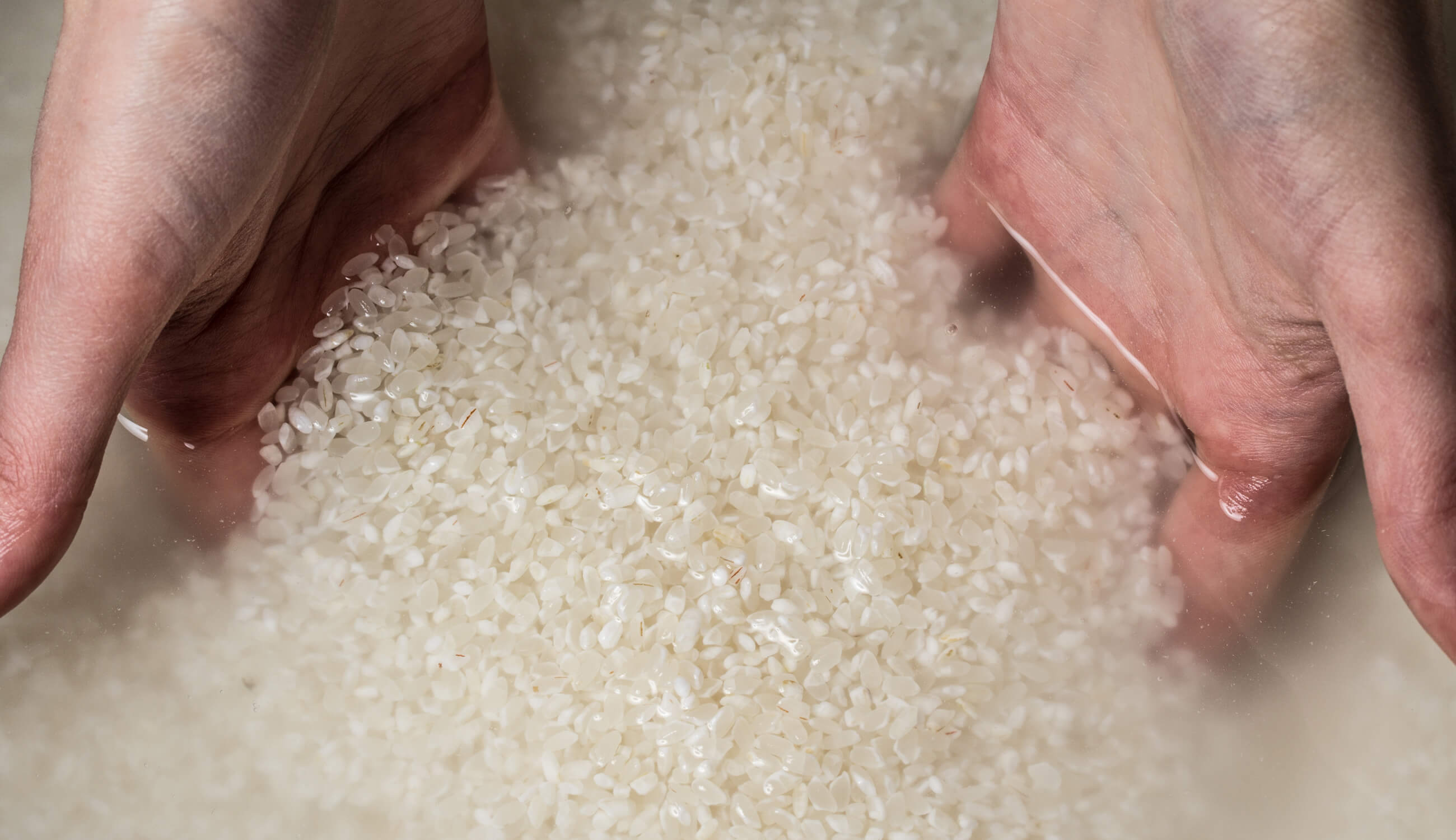
Quick answer: Rice water can help skin look brighter and feel softer and more hydrated, thanks to the antioxidants, amino acids and vitamins that rice leaves behind when it soaks. Fermented rice water (sake) is richer in these nutrients. Use it as a toner or face mist after cleansing, keep homemade batches in the fridge for up to a week, and patch test first.
Still using rice as a side dish in your skin care routine? A single grain of rice holds beautifying power far beyond its size – making the cult-favorite ingredient rice water a secret weapon for skin.
If you've got dull skin, dryness, or dark spots, rice water is worth a try. Here's what it can do for skin and hair, plus three easy DIY recipes.
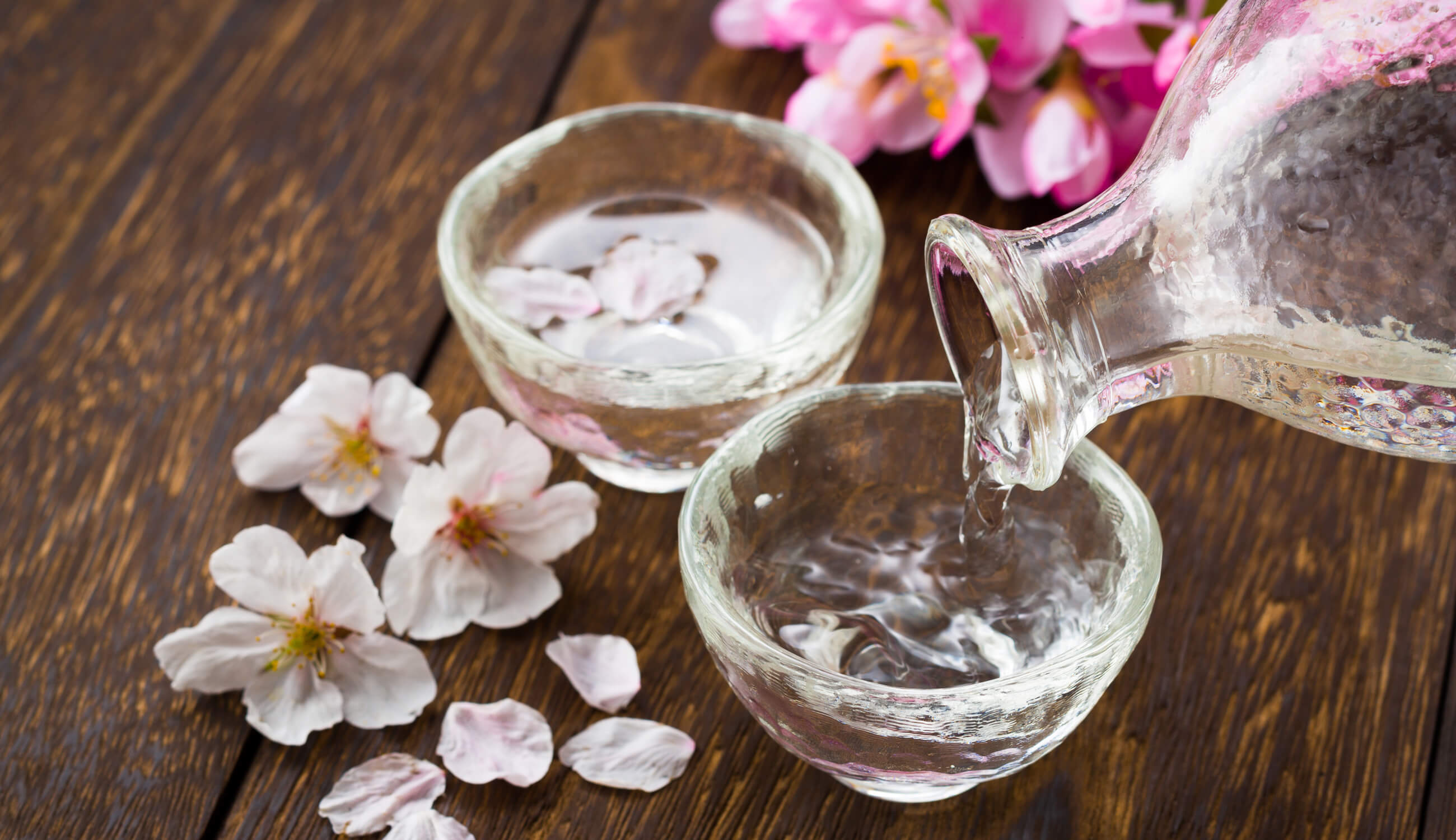
Rice water is amazing for your skin, but wait a minute – you can’t just use any old rice water! For a DIY hair treatment, homemade chilled rice water can be used to rinse hair. It may help hair feel stronger and look shinier. For the skin? That’s a different story.
Homemade/fresh white rice water can work well to minimize the appearance of pores and create a luminous inner glow. On the other hand, fermented rice water (aka sake) is a more concentrated version. Antioxidants, amino acids, and vitamins in rice water are increased in the fermentation process. That’s why we prefer using fermented rice water for skin.

Curious about which vitamins and minerals are hiding in this undercover beauty elixir? Allantoin can be found in rice water, a nutrient that helps calm and soothe skin. Vitamin A also makes an appearance, playing a key role in skin cell production, skin health, and firmness. It’s one of the key nutrients we look to for anti-aging power in our skin care products.
Fermenting rice water also creates new compounds, like the rice ferment filtrate many brands use in brightening skincare. There's also ferulic acid, an antioxidant that helps defend skin against UV-related damage (it isn't a sunscreen, so keep wearing SPF). Ferulic acid also boosts the effectiveness of antioxidant vitamins C and E. Vitamin C, also found in rice water, helps skin look brighter and more even.
PRO TIP: For a double-dose of antioxidant power, layer your Fermented Saké Glow Brightening Serum and Vitamin C Serum. Allow your first serum to dry for about 60-90 seconds before layering on the next. Follow with a daily SPF.
So how do we recommend using homemade rice water for skin and hair health? Luckily this is one beauty mystery that’s easy to solve: start in your pantry! Select an organic long grain white rice, and use distilled water for your recipes.
DIY Hair Rinse
When it comes to hair care, you can use it as a regular hair rinse. Notice after consistent use that your hair and scalp will feel more hydrated and less itchy. Split ends will look smoother, and new hair growth will feel silky and shiny.
Recipe:
-
For a basic rice water mixture, measure equal ratio of cups of uncooked rice to distilled water. Start with 2:2, then increase or decrease depending on hair length and density
-
Pour rice and water into a bowl, mixing gently with clean fingers
-
After about 30-45 minutes and occasional stirring, water should be a cloudy white color. Strain and discard rice grains, keeping only the water
-
Shampoo hair and rinse hair as usual
-
Slowly pour rice water over hair, massaging into scalp and from roots to ends. Allow to soak for 15 minutes before rinsing with warm water
DIY Hand Soak
Hands are one of the first areas to show signs of aging. That’s why we love a DIY hand soak with fermented rice water! Dryness and dark spots are common on the hands, due to high levels of UV exposure and little sun protection. Using fermentation will help enhance skin-brightening benefits, and restore a youthful glow and suppleness to hands.
Recipe:
-
Follow the same basic rice water recipe as above, then discard rice
-
Seal your rice water in an airtight container. Let it sit at room temperature for a total of 24 hours
-
30 minutes before use, mix a few drops of lavender, geranium, or sandalwood essential oil into your fermented rice water. These will boost its brightening power and improve the scent
-
Soak clean hands in your mixture for up to 15 minutes. Rinse with cool water and moisturize with a natural hand cream
DIY Skin Essence
We saved the best for last, with an ultra skin nourishing recipe for a rice water skin essence. You can use it twice daily as a skin toner, or spritz it onto skin before applying your serums and moisturizers.
Recipe:
-
Start with the basic rice water recipe above
-
Mix in an essential oil of your choice; we recommend rose, geranium, or lavender
-
Pour into a small, facial mist spray bottle
-
Store in the refrigerator for up to one week to avoid fermentation; shake gently before each use to redistribute essential oils
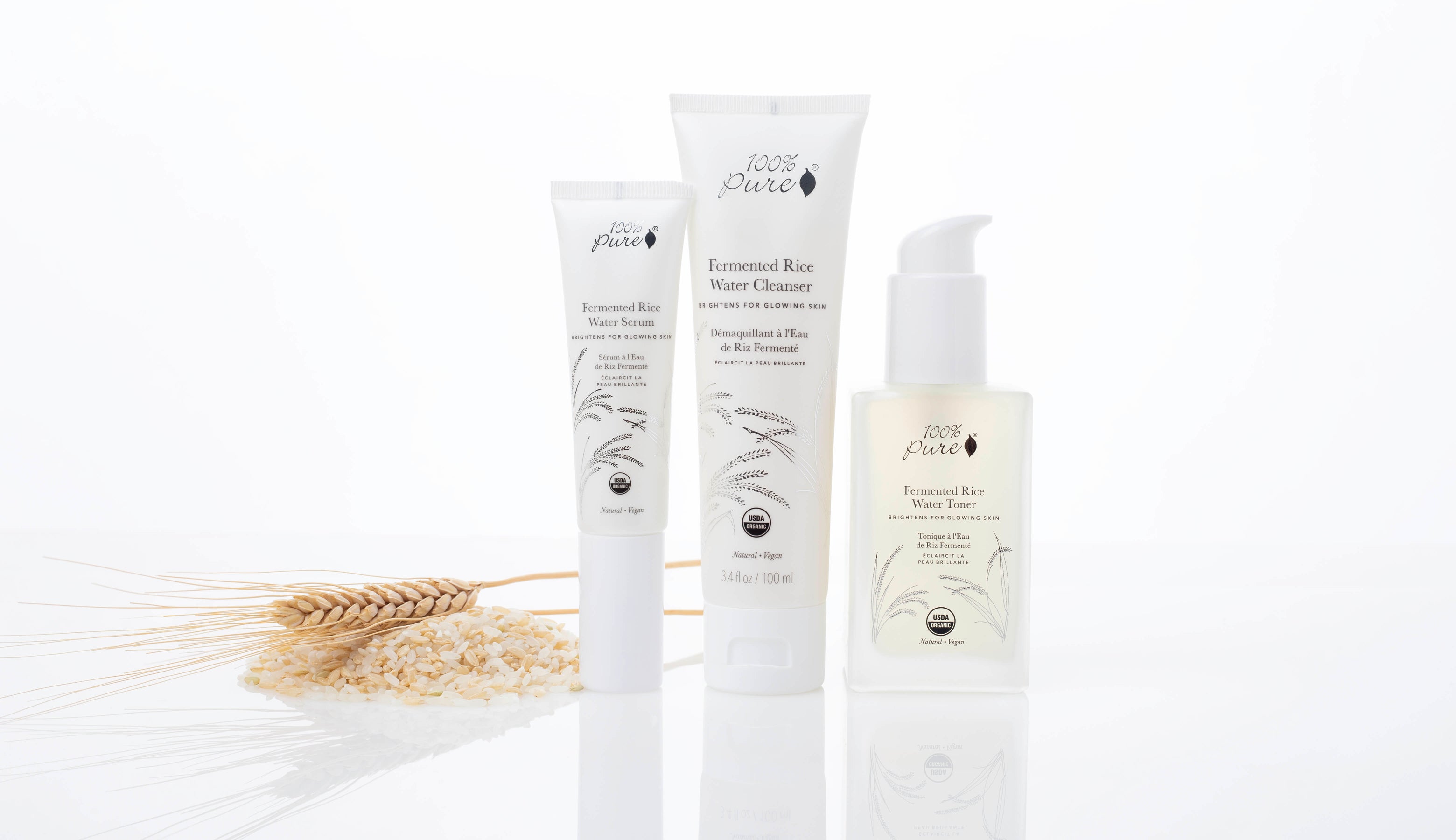
Looking for ultra-concentrated potencies of rice water in your skin care? We blend sake (fermented rice water) with skin-healthy vitamins and essential oils. These formulas target dullness, dry skin, and dark spots for a more luminous complexion. Here are our top (5) products that fully utilize the power of rice water:
Fermented Rice Water Cleanser
A gentle daily cleanser made with fermented rice water (sake), plus white mulberry, licorice and citrus. It washes away makeup and impurities without stripping, leaving skin soft and bright looking.
Fermented Rice Water Toner
Sake, niacinamide, licorice and alpha-arbutin help skin look brighter and more even, while sodium hyaluronate and plant-based sodium PCA help it hold on to moisture. Lavender hydrosol and essential oils give it a fresh, soft scent.
Fermented Saké Glow Brightening Serum
A concentrated daily serum made with fermented rice water (sake), organic rosehip and avocado oils, and honeysuckle to help skin look brighter, more hydrated and silky smooth.
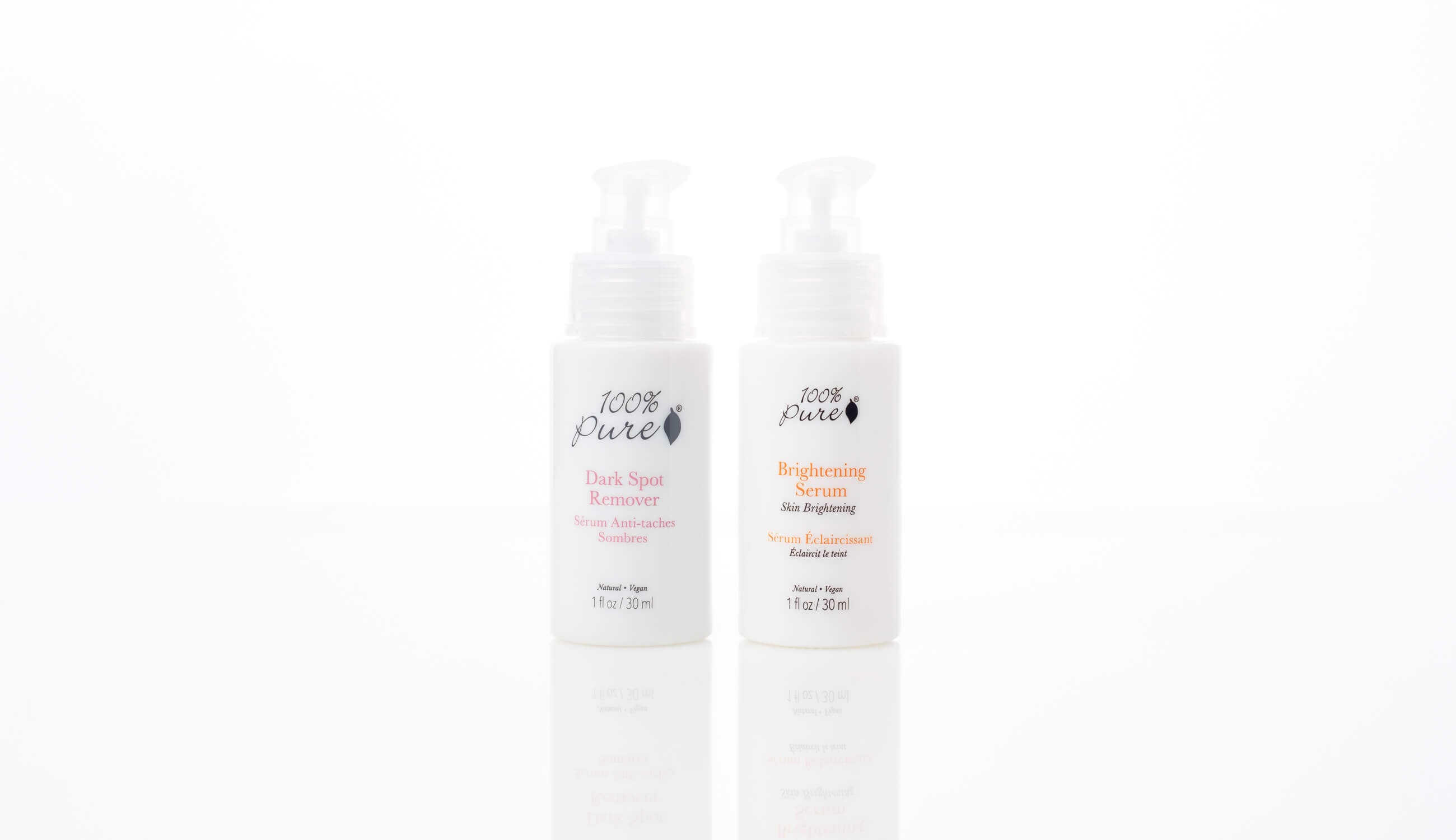
Brightening Serum
This powerhouse serum uses lemon juice, kojic acid, and fermented rice to help reveal brighter-looking skin. It wakes up dull-looking skin for a more radiant, balanced complexion, with natural brighteners like bearberry, vitamin C, and fruit acids, not harsh bleaches.
Dark Spot Remover
A serum that visibly reduces the look of dark spots and uneven tone. Made with gentle, natural ingredients and free of chemical bleaching agents. Perfect as a spot treatment, or as an all-over nighttime treatment beneath your favorite PM moisturizer.
FAQ
Can rice water lighten dark spots?
Rice water may help dark spots look less noticeable over time, since it contains antioxidants and, when fermented, brightening compounds like kojic acid. Results are gradual and mild with homemade rice water. For more visible results, look for formulas that pair fermented rice with proven brighteners like vitamin C, licorice and niacinamide, and wear SPF every day.
Can I use rice water on my face every day?
Yes, most skin types can use rice water once or twice a day as a toner or face mist. Apply it after cleansing and before serums and moisturizer. If you prefer a ready-made option with a longer shelf life, our Fermented Rice Water Toner uses fermented rice water with niacinamide and hyaluronic acid.
How long does homemade rice water last?
Fresh rice water keeps for up to one week in a sealed container in the refrigerator. If it smells sour, looks slimy or changes color, throw it out and make a new batch. Fermented rice water should sit at room temperature for no more than a day or two before you refrigerate it.
Is rice water good for acne-prone skin?
Rice water is gentle and lightweight, so many people with oily or acne-prone skin use it as a toner without trouble. Skip added oils and heavy essential oils, which can irritate. Patch test first, and stop if you notice new breakouts. For a full routine, our Fermented Rice Kit brings our rice water essentials together.
Updated November 2026.
- Tags: August-2019, Skin Care
We carefully hand-select products based on strict purity standards, and only recommend products we feel meet this criteria. 100% PURE™ may earn a small commission for products purchased through affiliate links.
The information in this article is for educational use, and not intended to substitute professional medical advice, diagnosis, or treatment and should not be used as such.
